f you are considering vision correction but may not be a good candidate for LASIK, Best PRK eye surgery Newport Beach, CA may be an option worth discussing with an ophthalmologist. Photorefractive keratectomy (PRK) is a laser vision correction procedure that reshapes the cornea to help correct nearsightedness, farsightedness, and astigmatism. Understanding how PRK works, what recovery involves, and what results you may expect can help you make a more informed decision about your eye care.
What Is PRK Eye Surgery?
PRK is a type of refractive eye surgery designed to reduce dependence on glasses or contact lenses. Like LASIK, PRK uses an excimer laser to reshape the cornea. The main difference is how the surgeon accesses the corneal tissue.
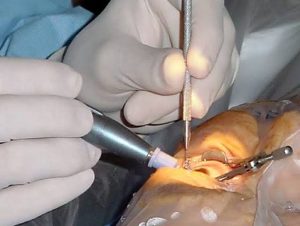
During PRK, the thin outer layer of cells covering the cornea, called the epithelium, is gently removed. The underlying corneal tissue is then reshaped with a laser based on the patient’s prescription. The epithelial layer naturally grows back during the healing process.
Because PRK does not require the creation of a corneal flap, it may be considered for some people who have thinner corneas or other factors that make LASIK less suitable.
How Does PRK Correct Vision?
The cornea plays an important role in focusing light onto the retina. When its shape causes light to focus incorrectly, blurry vision can occur.
PRK changes the shape of the cornea so that incoming light can focus more accurately on the retina. The procedure can correct several common refractive errors, including:
- Nearsightedness (myopia)
- Farsightedness (hyperopia)
- Astigmatism
The amount and pattern of corneal reshaping are determined during the preoperative evaluation. Your ophthalmologist will review your prescription, corneal measurements, eye health, and other factors to determine whether PRK is appropriate.
Who May Be a Candidate for PRK?
PRK is not appropriate for everyone. Candidates generally need to meet certain eye-health requirements and have a stable prescription.
Your ophthalmologist may consider factors such as:
- Your current and previous eyeglass prescription
- Corneal thickness and shape
- Overall eye health
- Tear production and dry-eye symptoms
- Age and general health
- Existing eye conditions
- Expectations regarding vision correction
A detailed eye examination is essential before deciding on PRK. Your doctor can explain whether PRK, LASIK, another vision correction procedure, or continued use of glasses or contacts may be more appropriate.
What Happens During PRK?
PRK is typically performed as an outpatient procedure. Before treatment begins, numbing eye drops are applied to reduce discomfort.
The surgeon carefully removes the corneal epithelium to expose the treatment area. An excimer laser then reshapes the cornea according to the patient’s individual prescription. A protective contact lens is usually placed over the eye to support healing while the epithelial surface regenerates.
The procedure itself is relatively quick, but the recovery process takes longer than it does with LASIK because the surface layer of the cornea must heal.
PRK Recovery
Recovery is an important part of the PRK experience. During the first several days, patients may experience discomfort, sensitivity to light, tearing, or blurred vision. Your ophthalmologist may prescribe medications and provide specific instructions to support healing.
Vision usually improves gradually rather than immediately. Many patients notice significant improvement during the first few weeks, but visual clarity can continue to change as the cornea heals.
It is important to attend follow-up appointments so your ophthalmologist can monitor the healing process and identify any concerns early.
PRK vs. LASIK
PRK and LASIK both use laser technology to reshape the cornea, but they differ in how the corneal surface is accessed.
LASIK involves creating a thin corneal flap before reshaping the underlying tissue. PRK removes the surface epithelial layer instead and does not create a flap.
Because of this difference, PRK may be considered for patients with certain corneal characteristics or for people whose activities may increase concerns about an eye injury affecting a corneal flap.
However, PRK generally involves a longer and more uncomfortable early recovery than LASIK. The best procedure depends on your individual eye anatomy, prescription, lifestyle, and medical history.
Potential Benefits of PRK
PRK may offer several benefits for appropriately selected patients. These can include reduced dependence on corrective lenses and the ability to correct common refractive errors.
Because PRK does not involve creating a corneal flap, it may be an alternative for certain patients who are not ideal candidates for LASIK.
However, laser vision correction is an elective procedure, and results can vary. A thorough consultation is necessary to understand both potential benefits and limitations.
Possible Risks and Side Effects
As with any surgical procedure, PRK has potential risks. Temporary side effects may include dry eyes, glare, halos, light sensitivity, fluctuating vision, and discomfort during the initial healing period.
Some patients may experience undercorrection or overcorrection and may still need glasses or contact lenses for certain activities. Less common complications can also occur.
Your ophthalmologist should review the potential risks with you before treatment and explain what you can realistically expect from the procedure.
How to Prepare for PRK
Your eye doctor will provide specific instructions before surgery. These may include temporarily stopping contact lens use before your examination or procedure so that accurate corneal measurements can be obtained.
You should also provide your complete medical and eye-health history, including medications and previous eye procedures.
On the day of surgery, arrange transportation if recommended and follow all instructions regarding eye drops and medications.
Is PRK Right for You?
Choosing PRK is a personal decision that should be made after a comprehensive eye evaluation. A procedure that works well for one patient may not be appropriate for another.
Your ophthalmologist can evaluate your corneal structure, prescription, eye health, and lifestyle to determine whether PRK is a suitable option. You can also discuss alternatives and ask questions about recovery, expected results, and possible risks.
Conclusion
At Glaucoma Care Center, PRK eye surgery can provide vision correction for carefully selected patients who want to reduce their dependence on glasses or contact lenses. The procedure reshapes the cornea without creating a corneal flap, but it requires a longer initial healing period than LASIK. If you are considering PRK, a comprehensive evaluation with an ophthalmologist is the best way to determine whether the procedure is appropriate for your eyes and vision goals. A qualified eye-care team can help you understand your options and make a decision based on your individual needs.