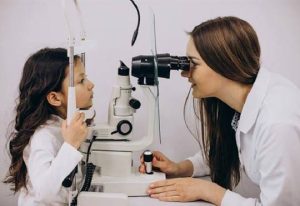
As you get older, changes in your vision can become more noticeable. You may find it harder to read small print, see clearly at night, or focus on nearby objects. While some vision changes are a normal part of aging, others may indicate an eye condition that requires professional attention. Visiting an ophthalmologist in Newport Beach, CA, can help you understand these changes, identify potential problems early, and explore appropriate treatment options. At Glaucoma Care Center, patients can access comprehensive eye exams, advanced diagnostic testing, glaucoma care, cataract surgery, and personalized treatment recommendations to support long-term eye health.
Understanding common age-related eye conditions is an important step toward protecting your vision and maintaining your independence as you grow older.
1. Cataracts: Cloudy or Blurry Vision
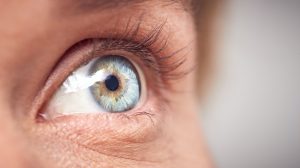
Cataracts develop when the natural lens inside the eye becomes cloudy. This condition is common with aging and can gradually interfere with everyday activities, including reading, driving, and recognizing faces.
Common symptoms include:
- Blurry or cloudy vision
- Increased sensitivity to bright lights and glare
- Difficulty seeing at night
- Faded or less vibrant colors
- Frequent changes in eyeglass prescriptions
Cataracts usually develop slowly, so the changes may not be noticeable at first. In the early stages, updated glasses and improved lighting may help. When cataracts begin affecting daily activities, an eye specialist may recommend cataract surgery to replace the cloudy lens with an artificial one.
Regular eye examinations can help determine whether cataracts are developing and when treatment may be appropriate.
2. Glaucoma: Damage to the Optic Nerve
Glaucoma is a group of eye conditions that damage the optic nerve, which carries visual information from the eye to the brain. Although elevated eye pressure is an important risk factor, glaucoma can also develop when eye pressure falls within the normal range.
The condition becomes more common with age, and early glaucoma often develops without noticeable symptoms. Peripheral vision may gradually be affected before a person realizes anything is wrong.
Potential risk factors include:
- Increasing age
- A family history of glaucoma
- Elevated eye pressure
- Certain medical conditions and eye health factors
Because glaucoma-related vision loss cannot generally be reversed, early detection and ongoing monitoring are essential. An ophthalmologist may use eye pressure measurements, optic nerve examinations, visual field testing, and optical coherence tomography (OCT) to assess eye health.
At Glaucoma Care Center, patients can discuss glaucoma screening, monitoring, and treatment options based on their individual needs.
3. Age-Related Macular Degeneration (AMD)
Age-related macular degeneration affects the macula, the part of the retina responsible for sharp central vision. It can make activities such as reading, driving, and recognizing faces more difficult.
AMD is generally classified into dry and wet forms. Dry AMD often progresses gradually, while wet AMD can cause more rapid changes in central vision and requires prompt evaluation.
Possible warning signs include:
- Blurred central vision
- Straight lines appearing wavy or distorted
- Difficulty reading or recognizing faces
- Dark or empty areas in the center of vision
Age is a major risk factor, and smoking, family history, and certain cardiovascular health factors may also contribute. Although not every case can be prevented, avoiding smoking, eating a balanced diet, and attending recommended eye exams can support overall eye health.
Sudden changes in central vision should be evaluated promptly by an eye care professional.
4. Presbyopia: Difficulty Seeing Up Close
Presbyopia is a natural age-related change that makes it harder for the eyes to focus on nearby objects. It often becomes noticeable in the early to mid-40s as the natural lens gradually loses flexibility.
You may find yourself holding your phone, books, or menus farther away to read comfortably.
Common signs include difficulty reading small print, eye fatigue during close work, and needing brighter light for reading.
Presbyopia can often be managed with reading glasses, prescription lenses, or other suitable vision correction options. An eye care professional can evaluate your vision and help determine which option best fits your lifestyle.
Although presbyopia is a normal part of aging, new or persistent vision changes should not automatically be attributed to age without an appropriate examination.
5. Diabetic Retinopathy: Eye Damage Related to Diabetes
Diabetic retinopathy occurs when high blood sugar damages the small blood vessels in the retina. It can develop in people with type 1 or type 2 diabetes and may cause vision loss if it progresses without treatment.
Early stages may produce few or no symptoms, making regular dilated eye examinations particularly important for people living with diabetes.
As the condition progresses, symptoms may include blurry vision, floaters, dark spots, or changes in vision.
Managing blood sugar, blood pressure, and cholesterol can help reduce the risk of diabetic eye complications. Depending on the severity, treatment may include closer monitoring, medication injections, laser treatment, or surgery.
People with diabetes should follow their eye care professional’s recommendations for examination frequency, even when their vision seems normal.
6. Dry Eye Disease: Irritation and Discomfort
Dry eye disease becomes more common with age because tear production and tear quality can change over time. Certain medications, environmental conditions, prolonged screen use, and health conditions can also contribute.
Symptoms may include burning, stinging, redness, a gritty sensation, excessive watering, and fluctuating blurry vision.
Treatment depends on the cause and severity. Options may include artificial tears, eyelid hygiene, prescription medications, and treatments that address problems with the oil-producing glands along the eyelids.
Taking breaks during screen use, avoiding direct airflow from fans, and maintaining comfortable indoor humidity may also help reduce symptoms.
If eye discomfort continues despite basic measures, an eye examination can help identify the underlying cause and guide treatment.
7. Floaters and Retinal Problems
Floaters are small spots, threads, or cobweb-like shapes that move across your field of vision. They often occur because of age-related changes in the vitreous, the gel-like substance inside the eye.
Occasional floaters that remain stable may not indicate a serious problem. However, a sudden increase in floaters, flashes of light, or a shadow that resembles a curtain across your vision can signal a retinal tear or retinal detachment.
Seek same-day emergency eye evaluation if you experience these warning signs. Retinal problems can threaten vision and require prompt treatment.
Do not assume sudden visual changes are simply a normal consequence of aging.
8. How Can You Protect Your Vision as You Age?
Although not every age-related eye condition can be prevented, practical habits can help protect your vision and support overall eye health.
Consider the following steps:
- Schedule regular eye exams: Many eye diseases develop before noticeable symptoms appear.
- Manage chronic conditions: Follow your healthcare professional’s guidance for diabetes, high blood pressure, and other relevant conditions.
- Eat a balanced diet: Include leafy greens, colorful vegetables, fruits, and other nutrient-rich foods.
- Wear sunglasses: Choose sunglasses that provide 100% UVA and UVB protection.
- Avoid smoking: Smoking increases the risk of several eye conditions, including AMD.
- Protect your eyes: Use suitable protective eyewear during activities that may cause eye injuries.
- Follow treatment recommendations: Use prescribed medications as directed and attend follow-up appointments.
The right preventive approach depends on your age, medical history, family history, and individual eye health risks.
9. When Should You See an Ophthalmologist in Newport Beach, CA?
You should arrange an eye examination if you notice persistent blurry vision, increasing glare, difficulty seeing at night, changes in your prescription, or ongoing eye discomfort. People with diabetes, a family history of glaucoma, or other risk factors may need more frequent evaluations.
Seek urgent eye care for sudden vision loss, new flashes and numerous floaters, a curtain-like shadow, or severe eye pain.
Choosing an experienced ophthalmologist can help you understand your symptoms and determine whether further testing or treatment is necessary. An ophthalmologist is a medical doctor who specializes in diagnosing and treating eye diseases and can provide medical or surgical care when appropriate.
At your appointment, share your symptoms, medications, medical history, and family history of eye disease. These details can help guide a more complete evaluation.
Frequently Asked Questions (FAQs)
1. What are the most common eye conditions associated with aging?
Common conditions include cataracts, glaucoma, age-related macular degeneration, presbyopia, dry eye disease, and diabetic retinopathy. Some affect vision gradually, while others may progress without early symptoms.
2. At what age should I start getting regular eye exams?
Comprehensive eye exams are important throughout adulthood. Adults over 40 may need more frequent evaluations depending on their health, family history, and eye examination findings. Your ophthalmologist can recommend an appropriate schedule.
3. Can age-related vision loss be prevented?
Not all age-related vision changes can be prevented. However, regular eye exams, managing chronic conditions, avoiding smoking, wearing UV-protective sunglasses, and following treatment recommendations can help reduce certain risks and support early detection.
4. Does glaucoma always cause symptoms in the early stages?
No. Glaucoma often develops without noticeable early symptoms. Routine examinations and appropriate diagnostic testing are important for detecting it before significant vision loss occurs.
5. When should blurry vision be considered an emergency?
Sudden vision loss, rapidly developing blurriness, flashes of light with new floaters, a curtain-like shadow, or severe eye pain requires urgent evaluation. Do not delay seeking medical attention for these symptoms.
Conclusion
Aging can bring natural changes in vision, but persistent or unexpected symptoms should never be ignored. Conditions such as cataracts, glaucoma, macular degeneration, and diabetic retinopathy can affect eyesight and quality of life, particularly when they are not detected early. Understanding the warning signs and attending regular comprehensive eye exams can help you take an active role in protecting your vision.
If you are looking for an ophthalmologist in Newport Beach, CA, Glaucoma Care Center offers comprehensive eye evaluations, advanced diagnostic testing, glaucoma care, cataract surgery, and personalized treatment planning. Schedule an eye examination to discuss your concerns, understand your risk factors, and explore the care options that may be appropriate for your long-term vision health.