Maintaining healthy vision is an important part of overall well-being. Regular eye examinations, early detection of eye conditions, and appropriate treatment can help protect eyesight at every stage of life. However, every person’s vision needs are different. Age, medical history, lifestyle, family history, and existing eye conditions can all influence eye health. This is why personalized eye care plays an important role in supporting long-term vision.
An experienced Ophthalmologist in Newport Beach, CA, can evaluate individual eye health needs and recommend appropriate examinations, diagnostic testing, and treatment options. At Glaucoma Care Center, patients receive personalized attention focused on understanding their vision concerns and developing care plans based on their individual needs. With comprehensive eye exams and advanced diagnostic technology, patients can take proactive steps toward maintaining healthy vision.
What Is Personalized Eye Care?
Personalized eye care is an approach to vision health that considers each patient’s unique needs rather than following the same treatment plan for everyone. It involves evaluating eye health, identifying potential risks, and recommending appropriate care based on individual circumstances.
For example, someone with a family history of glaucoma may need more frequent monitoring than someone without known risk factors. Similarly, an older adult experiencing cloudy vision may require an evaluation for cataracts.
A personalized approach may include:
-
Comprehensive eye examinations.
-
Eye pressure measurements.
-
Optical coherence tomography (OCT) imaging.
-
Visual field testing.
-
Optic nerve evaluations.
-
Individualized treatment recommendations.
-
Regular follow-up appointments.
These evaluations help eye care professionals understand changes in vision and identify conditions that may require attention.
Why Is Personalized Eye Care Important for Long-Term Vision?
Eye health changes over time. Some conditions develop gradually without noticeable symptoms, while others may cause sudden changes in vision. Personalized care helps address these differences through regular evaluations and appropriate treatment recommendations.
Here are several ways individualized eye care supports long-term vision health.
1. Helps Detect Eye Conditions Early
Early detection is one of the most important benefits of personalized eye care. Several eye conditions, including glaucoma and certain retinal diseases, may develop without obvious warning signs during their early stages.
Regular examinations allow an ophthalmologist to evaluate important eye structures and look for changes that may indicate developing problems.
Depending on individual risk factors, an eye examination may include:
-
Measuring intraocular pressure.
-
Examining the optic nerve.
-
Checking visual field function.
-
Evaluating the retina.
-
Performing OCT imaging when appropriate.
Identifying potential concerns early allows patients and their eye doctors to discuss suitable monitoring and treatment options.
2. Supports Effective Glaucoma Management
Glaucoma is a group of eye diseases that can damage the optic nerve and lead to permanent vision loss. It is often associated with increased eye pressure, although it can also occur when eye pressure falls within the normal range.
Because glaucoma may progress without noticeable symptoms, regular monitoring is essential.
A personalized glaucoma care plan may include eye pressure measurements, optic nerve examinations, OCT scans, and visual field testing. These tests help ophthalmologists monitor changes and evaluate how well a treatment plan is working.
Treatment recommendations may vary depending on the type and severity of glaucoma. Options can include prescription eye drops, laser procedures, or surgical treatments when appropriate.
Consistent follow-up visits help ensure that care recommendations remain suitable as the condition changes.
3. Addresses Age-Related Vision Changes
Vision naturally changes as people grow older. Some individuals experience difficulty reading small print, while others notice glare, reduced night vision, or blurry eyesight.
Common age-related eye conditions include:
-
Cataracts: Clouding of the eye’s natural lens that can cause blurry vision, glare, and difficulty seeing at night.
-
Glaucoma: Damage to the optic nerve that may gradually affect peripheral vision.
-
Age-related macular degeneration: A condition affecting the macula, which is responsible for central vision.
-
Dry eye disease: A condition that may cause irritation, burning, redness, or fluctuating vision.
An ophthalmologist can evaluate these changes and recommend appropriate care based on the patient’s symptoms and examination results.
For example, patients with cataracts may benefit from monitoring or a discussion about cataract surgery when vision problems begin interfering with everyday activities.
4. Provides Treatment Based on Individual Needs
Not every patient responds to the same treatment approach. Personalized eye care considers the patient’s diagnosis, overall health, symptoms, and lifestyle before recommending treatment.
For example, a patient with early-stage glaucoma may need prescription medication and regular monitoring, while someone with more advanced disease may require additional treatment.
Similarly, cataract treatment depends on how much the condition affects daily activities and visual quality.
An individualized treatment plan helps patients understand their available options, potential benefits, and possible risks. It also creates an opportunity to discuss questions and concerns before making healthcare decisions.
5. Uses Advanced Diagnostic Technology
Modern diagnostic technology helps ophthalmologists evaluate eye structures and identify changes that may not be visible during a basic vision screening.
Some commonly used diagnostic tools include:
Optical Coherence Tomography (OCT): OCT uses light waves to create detailed images of retinal layers and the optic nerve. It is particularly useful for evaluating and monitoring glaucoma and certain retinal conditions.
Visual Field Testing: This test measures a person’s peripheral and central vision. It can help identify areas of vision loss associated with glaucoma and other eye conditions.
Eye Pressure Testing: Also called tonometry, this examination measures pressure inside the eye. It provides useful information when assessing glaucoma risk.
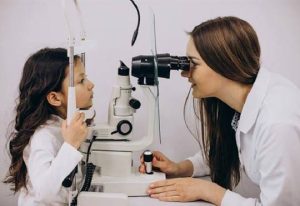
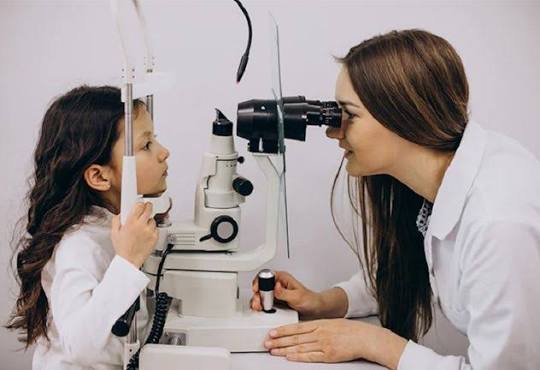
Slit-Lamp Examination: This instrument allows an ophthalmologist to examine structures such as the cornea, iris, and lens in detail.
Using appropriate diagnostic tests helps create a clearer picture of each patient’s eye health.
6. Encourages Preventive Eye Care Habits
Personalized eye care is not limited to examinations and medical treatments. It also involves helping patients understand everyday habits that may support healthy vision.
An ophthalmologist may recommend practical steps such as:
-
Scheduling regular comprehensive eye examinations.
-
Wearing sunglasses that provide UV protection.
-
Taking breaks during extended screen use.
-
Maintaining a balanced diet with essential nutrients.
-
Managing health conditions such as diabetes.
-
Avoiding smoking.
-
Following prescribed medication instructions.
-
Reporting unusual vision changes promptly.
These habits can support overall eye health, although they cannot prevent every eye condition.
7. Builds Consistency Through Regular Follow-Up Visits
Eye care is an ongoing process. A single examination may not provide enough information to understand how certain conditions develop over time.
Follow-up appointments allow ophthalmologists to compare previous examination results with current findings. This is particularly important for patients with glaucoma, cataracts, or other conditions that require continued observation.
The recommended frequency of visits depends on individual risk factors, diagnosis, age, and treatment needs.
Maintaining a consistent relationship with an eye care professional also helps patients discuss new symptoms and receive timely recommendations.
Who Can Benefit From Personalized Eye Care?
Personalized eye care can benefit people of all ages, particularly those with specific vision concerns or increased risk factors.
It may be especially helpful for:
-
Adults experiencing blurry or changing vision.
-
Individuals with a family history of glaucoma.
-
Patients diagnosed with cataracts.
-
People living with diabetes.
-
Adults over the age of 40.
-
Individuals who experience frequent eye discomfort.
-
Patients who need ongoing monitoring for existing eye conditions.
Even people who currently have clear vision can benefit from comprehensive eye examinations because some eye conditions develop without noticeable symptoms.
When Should You Schedule an Appointment With an Ophthalmologist?
You should consider scheduling an eye examination if you experience persistent blurry vision, difficulty seeing at night, frequent headaches associated with visual tasks, increased sensitivity to light, or changes in your peripheral vision.
People with existing eye conditions or a family history of certain diseases may also need regular evaluations based on their individual risk factors.
Sudden vision loss, new flashes or floaters, a curtain-like shadow, or severe eye pain requires prompt medical evaluation rather than waiting for a routine appointment.
Conclusion
Personalized eye care plays an important role in maintaining healthy vision throughout life. From early detection and glaucoma monitoring to cataract evaluations and advanced diagnostic testing, individualized care helps address each patient’s unique vision needs. Regular examinations and appropriate follow-up visits can also help identify changes before they significantly affect everyday activities.
At Glaucoma Care Center, patients seeking an experienced Ophthalmologist in Newport Beach, CA, can explore comprehensive eye examinations, advanced diagnostics, glaucoma care, cataract treatment, and personalized treatment recommendations. Taking a proactive approach to eye health today can help support better vision care and long-term eye health.